Portable Twitch: Ways to Get to and Archive Your Streams Everywhere
Within the current digital landscape, streaming platforms like YouTube Gaming have transformed the way we experience and produce content. If you're a veteran streamer or just beginning to explore this vibrant community, understanding how to record, download, and archive your streams is crucial. Not only does preserving your content allow you to share it with a wider audience, but it also acts as an invaluable resource for reviewing your performances, editing highlights, and even enhancing your future streams.
With a multitude of devices and platforms at your disposal, learning the best methods to save Twitch streams, clips, and highlights can significantly improve your content management strategy. Starting with guaranteeing high-quality recordings to navigating the intricacies of automated downloading processes, this guide will equip you with the required tools and techniques. Prepare to dive into the world of Twitch content recording, where you will learn how to archive your favorite moments no matter where you find yourself.
Capturing Twitch.tv Streams
Recording Twitch broadcasts is an essential skill for content creators who want to save their gaming sessions and engagement with their viewers. Whether Get started 're a seasoned streamer or new to the platform, having a dependable method to capture your real-time broadcasts allows you to create additional content, such as highlight reels, tutorials, or even complete video on demand. This capability helps in building your brand and maintaining engagement with your audience.
To efficiently capture Twitch.tv streams, you’ll need to choose the right tools for your configuration. For those on Windows, Open Broadcaster Software is a well-known choice due to its powerful features and flexibility. Mac users have equivalent options with software like QuickTime Player. These applications enable you to customize your capture settings, ensuring optimal audio and video performance. It’s important to set up your video quality and data rate according to your internet speed and preferred quality, keeping in mind that increased settings may consume more disk space.
In addition to on-device recording, exploring automatic options can be beneficial for active streamers. Browser-based applications and extensions provide a effortless way to record content without disrupting your broadcast. Similarly, mobile Twitch capture applications allow for recording on the go, making it more convenient than ever to document moments from your streams. By grasping these recording techniques, you can improve your content production and ensure that your streams are documented for future use. spintax ### Saving and Downloading VODs
Accessing and saving your Twitch VODs is important for preserving your content over time. Twitch systematically saves your past broadcasts for a limited duration depending on your user status: 14 days for regular streamers and 60 days for Twitch Partners and partners. To save your VODs forever, you can manually download them directly from your dashboard. Simply navigate to the “Video Producer” area, find your desired VOD, and select the “Download” option. Record Twitch streams online will enable you to keep your streams on your device for further editing or archiving.
If you want to streamline the task of saving your VODs from Twitch, several third-party tools and software solutions can assist. Programs like Twitch Leecher or browser extensions can capture VODs with just a few clicks. These applications often come with features that allow you to bulk download multiple VODs, ensuring that you do not lose any content. Make sure to set up the settings to select the desired resolution and bitrate for best quality.
It’s important to keep in mind best practices when saving your VODs. Organize them effectively on your storage device to make future retrieval easier, considering aspects like channel organization, video naming conventions, and file types. Regularly revising your archiving strategy will help ensure a reliable record of your work, ensuring that your streaming efforts can continue to benefit your growth and create an appealing channel for your audience.
Storing Clips and Highlights
To properly archive Twitch clips and key moments, broadcasters should first become familiar with the platform's integrated features. Twitch enables users to make highlights from their earlier broadcasts, which can be saved for later viewing or sharing. Using this functionality is essential for keeping memorable moments, as it instantly consolidates significant segments into brief clips. After creating summaries, streamers should regularly check their control panel to ensure that their vital content is not only stored but also organized properly for easy access later.
For those looking to simplify the storing process, using third-party tools can improve the experience. Multiple applications and online services allow for bulk downloading of clips and key moments, offering choices for tailoring in terms of format and resolution. Regardless of whether you are on Windows or Mac, these tools simplify the process of saving several clips at once, ensuring that important content is missed. Additionally, some tools feature automatic recording processes, which can capture key moments as they happen, eliminating the need for human intervention.
Finally, it is vital to consider storage solutions and organization strategies for your archived content. Utilizing cloud storage options can not only free up local hard drive space but also provide a reliable backup solution. Capture Twitch VODs in one click should establish a standard naming and folder structure to make access easy later on. Maintaining a well-organized archive management system not only helps with long-term storage but also aids in content processing and earning opportunities, boosting both stream growth and audience engagement.
Methods of Recording and Tools
When it comes to filming Twitch streams, picking the right tool is essential for guaranteeing high-quality output. Popular selections among streamers include OBS Studio and Streamlabs, both of which are capable tools offering extensive settings. These platforms allow users to save audio and video at particular resolutions and data rates, guaranteeing that the final product meets industry standards. Additionally, they allow for various file types for simple editing and archiving, addressing different requirements for Twitch video recording.
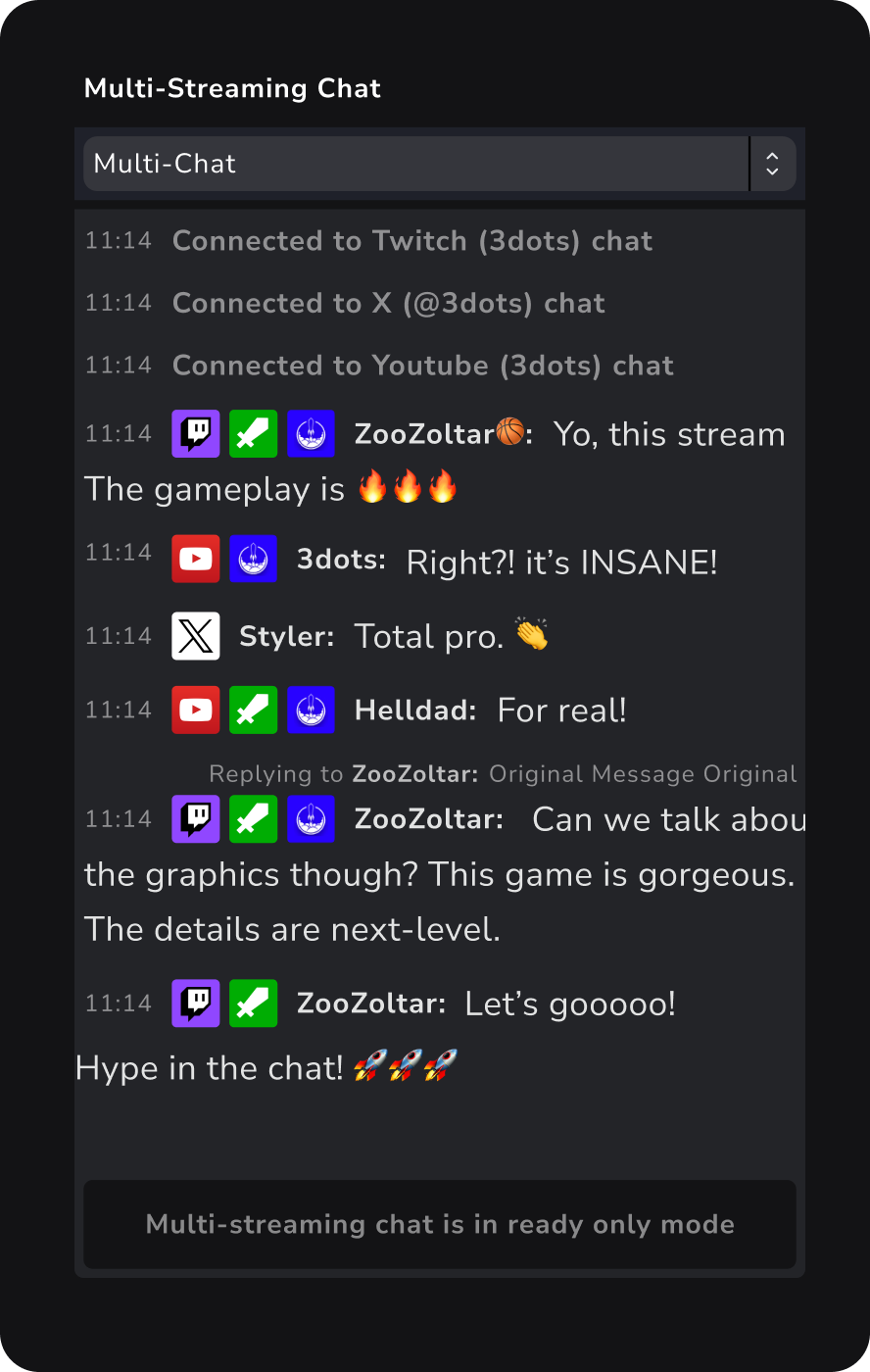
For those who prefer on-the-go capturing, applications like the official Twitch mobile app or alternative software such as Mobizen allow users to record streams on the move. Depending on your platform, look for software that works well with your system, supports high-resolution captures, and features user-friendly interfaces. Whether on a mobile device, portable device, or computer, the goal is to find a solution that keeps audio and video quality while facilitating an efficient recording process.
Moreover, effective organization and storage post-recording are important for long-term keeping of your Twitch videos. Utilize cloud services or external storage to back up your recordings, allowing easy access and retrieval. Keeping recordings organized based on categories—live streams, video on demands, snippets, and important moments—will simplify editing and publication, ultimately supporting your content growth plans. Highlighting automated features can also ease the process, allowing broadcasters to spend more time on content rather than setup logistics.
Legal Factors and Recommended Methods
When recording and archiving Twitch streams, it's crucial to be aware of the legal landscape surrounding content creation. Twitch's user agreement authorize streamers to save their own streams and streams by other creators if they receive consent. Always make sure you have the necessary rights to archive third-party content to avoid copyright infringement. Familiarize oneself with guidelines on Fair Use, as they can provide some leeway for creative uses of video clips, but this concept is often complex and differs based on location.
In addition to understanding the legal factors, adopting best practices can help streamline your archiving process while preserving quality and order. Choose suitable video formats that balance quality and file size to improve your storage options. Utilize automated solutions whenever feasible, particularly for mass downloads of VODs and clips. This not only is time-efficient but also reduces the risk of overlooking important content.
Lastly, think about how you will organize and archive your stored content. Organizing your recordings into categories or using a consistent naming system can make it more efficient to retrieve specific streams later. Explore long-term storage solutions that provide reliability, such as backup drives or cloud solutions, ensuring that your content is secure from losing data. By incorporating these legal aspects and best practices, you can safeguard your streaming legacy while acknowledging the rights of other creators.